How to Upgrade Bathroom Hardware on a Budget in 2026?

Time:2026-10-08 Author:Ethan
0%

Bathroom hardware is often the smallest renovation detail, yet it changes how a room feels every day. A new faucet, cabinet pull, towel bar, or shower fixture can refresh dated finishes without opening walls or replacing tile. That makes Budget-friendly bathroom hardware upgrades especially useful for homeowners planning improvements in 2026. Small changes matter.

Industry research supports this practical approach. The National Kitchen & Bath Association’s recent design trend reporting highlights wellness, sustainability, accessibility, and durable finishes as continuing bathroom priorities. These trends do not always require expensive reconstruction. Replacing a stiff faucet handle or adding a safer, well-positioned grab bar can improve comfort and function immediately. The U.S. Environmental Protection Agency’s WaterSense program also states that certified bathroom faucets use no more than 1.5 gallons per minute while maintaining effective performance. That can reduce water waste without making the sink feel weak.

Houzz bathroom research continues to show strong interest in updated fixtures, storage, lighting, and modern finishes. However, reported renovation budgets vary widely by location, labor costs, and project size. A polished brass handle may cost little, but mismatched finishes can make the room look careless. I have also found that the cheapest hardware is not always the most economical choice. Thin plating, loose screws, and poor cartridges can create repeat expenses. This guide will compare affordable materials, installation priorities, water-saving options, and finish combinations. It will also question where saving money becomes false economy. A realistic budget needs room for mistakes, repairs, and one unexpectedly expensive part.
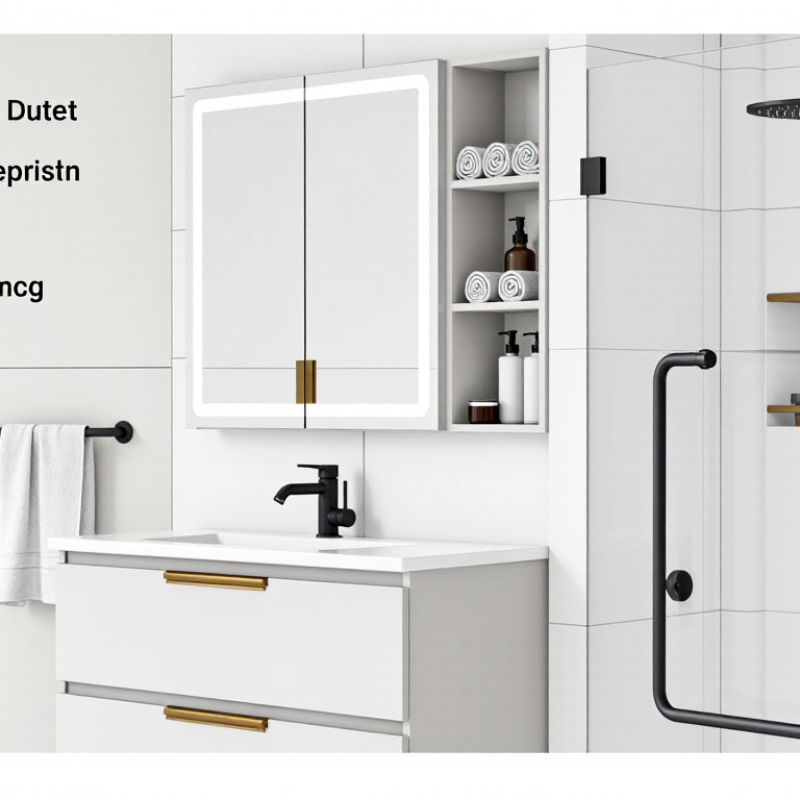
How to Upgrade Bathroom Hardware on a Budget in 2026?

Assess Your Bathroom Hardware Needs and Set a Realistic 2026 Budget

Assessing bathroom hardware needs in 2026 starts with a careful inventory, not a shopping list. Open every cabinet and test each handle, hinge, faucet, showerhead, and towel bar. Look for corrosion, wobbling, leaks, sharp edges, and incompatible mounting holes. Measure twice. A beautiful replacement can fail when the old pipe spacing differs by only a few millimeters.

Separate essential repairs from visual upgrades. A leaking faucet, loose grab bar, or damaged shutoff valve deserves priority. Decorative pulls can wait. The U.S. Environmental Protection Agency reports that WaterSense-labeled bathroom faucets use no more than 1.5 gallons per minute, compared with the federal standard of 2.2 gallons. That change may reduce water use without rebuilding the room. Still, calculate local water rates before assuming major savings.

Set a three-level budget: hardware, installation, and contingency. For a modest bathroom, reserve about 60% for fixtures, 25% for labor, and 15% for surprises. Houzz’s 2024 U.S. Bathroom Trends Study shows that major bathroom renovations often reach five-figure costs, so a hardware-only plan needs strict boundaries. Prices vary sharply by material, finish, and accessibility requirements. Keep it boring. I sometimes underestimate small parts, such as adapters, longer screws, and replacement supply lines. A realistic 2026 allowance should include those items, plus disposal fees and one failed installation attempt. That gap matters.

Compare Affordable Hardware Materials, Styles, and Finishes

How to Upgrade Bathroom Hardware on a Budget in 2026?

In small bathroom updates, compare the material before admiring the finish. Plastic or ABS accessories cost least and resist moisture, but their mounting points may feel less substantial. Zinc alloy offers a heavier feel and many shapes, although damaged plating can expose corrosion. Stainless steel usually performs well in humid rooms, especially near showers. Look for a clearly stated steel grade when available. Solid brass can last for years, but inexpensive pieces still require careful inspection.

Style affects both appearance and installation cost. Simple round knobs and straight towel bars suit most bathrooms and are easier to align. Slim hardware creates a lighter look, while squared designs feel more architectural. Chrome reflects light and usually cleans easily. Brushed nickel hides fingerprints better. Matte black adds contrast, but water spots and soap residue can appear quickly. Finishes vary in quality. A low price does not guarantee consistent coating.

Measure existing holes before ordering. Matching the spacing can prevent extra drilling and wall repairs. Check whether screws resist rust, and avoid fittings with vague material descriptions. I once chose a beautiful low-cost set without checking the anchors. That was a mistake. The towel bar loosened within weeks. Spend slightly more on reliable wall plugs when needed. Keep a soft cloth nearby, because harsh cleaners can dull decorative finishes faster than expected.

How to Upgrade Bathroom Hardware on a Budget in 2026? - Compare Affordable Hardware Materials, Styles, and Finishes

Typical U.S. budget ranges for individual bathroom hardware items in 2026; prices vary by size, construction, finish, and installation requirements.
Hardware Type Affordable Material Typical Budget Range Practical Styles Budget-Friendly Finishes Durability & Maintenance Best Saving Strategy
Towel Bar Zinc alloy or stainless steel $15–$45 each Single-bar, ladder, or wall-mounted rail Brushed nickel, chrome, or matte black Stainless steel resists bathroom humidity well; wipe dry to limit water spots. Choose a standard size and reuse existing wall anchors when safe.
Toilet Paper Holder Zinc alloy, aluminum, or stainless steel $10–$30 each Open-ended, spring-loaded, or shelf-top design Chrome, brushed nickel, or white Open-ended designs are easy to clean and avoid moving spring parts. Select a screw-mounted model instead of a premium adhesive system.
Robe Hook Zinc alloy or stainless steel $8–$25 each Round, square, or double hook Satin nickel, chrome, or matte black A smooth surface reduces fabric snags; dry metal hardware after cleaning. Install one double hook where two separate hooks are unnecessary.
Shower Curtain Rod Aluminum or stainless steel $20–$60 each Straight, curved, or tension-mounted Brushed nickel, chrome, or white Aluminum is lightweight; stainless steel offers stronger corrosion resistance. Use a standard straight rod unless extra elbow room is important.
Shower Caddy Aluminum, stainless steel, or coated steel $15–$50 each Hanging, corner, or tension-pole shelving Silver, white, or matte black Open drainage prevents standing water; coated steel requires prompt drying if scratched. Pick a hanging design if drilling into tile would add labor costs.
Cabinet Pulls Zinc alloy, aluminum, or stainless steel $3–$15 per pull Bar, cup, tab, or simple knob Brushed nickel, chrome, black, or aged bronze Brushed textures hide fingerprints better than polished surfaces. Measure the existing hole spacing before ordering replacements.
Cabinet Knobs Zinc alloy, ceramic, or stainless steel $2–$10 per knob Round, mushroom, square, or faceted Chrome, satin nickel, matte black, or white Nonporous metal is easy to sanitize; avoid abrasive cleaners on plated finishes. Use knobs on doors and reserve longer pulls for drawers.
Faucet Brass body with ceramic cartridge, or stainless steel $60–$180 each Single-handle, centerset, or widespread Chrome, brushed nickel, or matte black Ceramic cartridges generally provide reliable operation; clean aerators periodically. Match the faucet to the sink’s hole configuration to avoid countertop changes.
Shower Trim or Hand Shower Stainless steel, brass, or engineered polymer components $50–$160 each Fixed head, handheld, or dual-outlet set Chrome, brushed nickel, or matte black Flexible silicone nozzles help remove mineral deposits; follow local flow requirements. Replace the visible trim or showerhead first if the valve and plumbing remain compatible.
Shower Door Towel Bar Stainless steel or anodized aluminum $25–$80 each Straight bar, hook, or combination bar Chrome, brushed nickel, or black Use nonabrasive cleaner on glass-adjacent metal to protect the finish. Confirm glass thickness and mounting method before buying replacement hardware.
Budget planning notes: Keep finishes consistent across the room, prioritize moisture-resistant materials, and verify measurements before purchase. Installation labor, wall repairs, plumbing changes, taxes, and delivery are not included in the ranges above.

Plan Measurements and Select Compatible Replacement Pieces

Before buying bathroom hardware in 2026, measure the existing installation, not the product photo. Record hole count, center-to-center spacing, wall clearance, and screw length. For faucets, check the sink’s hole pattern and supply-line connection. A 4-inch spread is common, but it is not universal. Measure twice.

The U.S. Environmental Protection Agency reports that WaterSense bathroom faucets use no more than 1.5 gallons per minute, compared with the federal standard of 2.2 gallons. This can reduce water use without changing the countertop layout.

For shower hardware, confirm valve compatibility before replacing the trim. A new handle may look suitable but fail to fit the concealed valve. That mistake becomes expensive quickly.

The 2024 Houzz Bathroom Trends Study surveyed more than 1,000 homeowners and tracked continuing investment in functional bathroom improvements. Use that insight carefully. Practical upgrades usually outperform decorative guesses. Match the new finish to existing towel bars, hinges, and lighting, unless you are ready to replace the full set. Keep the old screws and photograph every connection before removal.

I once trusted a “standard” measurement and found the mounting plate was slightly offset. It worked, but imperfectly. Leave room for that possibility. Keep a small budget for adapters, longer screws, or a replacement gasket. Tested compatibility matters more than a bargain price.

Upgrade Fixtures Step by Step Using Basic Tools and Safe Methods

A budget bathroom upgrade becomes safer when each fixture is treated as a small, measured repair. Before touching a faucet, shut off the hot and cold supply valves. Open the tap and wait until the water stops. Keep an adjustable wrench, screwdriver, cloth, bucket, tape measure, and flashlight nearby. Wear eye protection. The bucket catches surprises.

Remove an old handle or shower head slowly, supporting the pipe with one hand. A cloth between the wrench and metal helps prevent scratches. Check the thread size before buying replacement hardware; guessing wastes money. Clean mineral buildup with a damp cloth, not a sharp blade. Wrap thread-sealing tape in the tightening direction, leaving the first thread clear. Hand-tighten the new fixture, then add only a small wrench turn. Excessive force can crack fittings behind the wall. Turn the water on gradually and inspect every joint with dry tissue. A tiny wet mark matters.

For towel bars, mark holes with a level and check for hidden wiring or plumbing before drilling. Use the correct bit and anchors for the wall material. I once measured from the cabinet edge instead of the tile joint, and the result looked slightly off. It worked, but it lacked polish. That mistake taught me to test every position with painter’s tape. If a valve resists, stop and contact a qualified plumber instead of forcing it. Keep spare washers in a labeled bag for later repairs.

Maintain Your New Bathroom Hardware for Long-Term Value

A budget bathroom upgrade only creates long-term value when its hardware stays functional and clean. In my maintenance checks, small habits matter more than expensive materials. After showering, wipe taps, handles, and exposed screws with a soft, dry cloth. This removes mineral droplets before they harden into dull white marks. Keep the room ventilated for at least twenty minutes. Moisture trapped around mounting plates can loosen finishes and encourage corrosion. Dry surfaces last longer.

Clean hardware weekly
Clean hardware weekly with warm water and mild, pH-neutral soap. Rinse away all residue, then dry every edge. Avoid scouring powder, abrasive pads, chlorine products, and strong acidic cleaners. They may remove stains quickly, but they can damage protective coatings and leave uneven patches. Test any cleaner on a hidden area first. Never spray directly into a lock, hinge, or sensor. Apply a small amount to the cloth instead.

Every three months
Every three months, check screw caps, handles, towel bars, and shower fittings for movement. Tighten gently with the correct tool; excessive force can crack ceramic or strip threads. Inspect joints for drips and replace worn washers promptly. I once ignored a slow leak beneath a tap, assuming it was harmless. It stained the cabinet and weakened the fasteners. That mistake changed my routine. Keep a simple maintenance note with cleaning dates, loose parts, and finish changes. If discoloration returns, ask a qualified plumber to inspect the fitting. Sometimes the problem is water chemistry, not poor cleaning.

FAQS

How should I assess my bathroom hardware needs for 2026?

Open every cabinet and test each handle, hinge, faucet, showerhead, and towel bar. Look for leaks, corrosion, wobbling, sharp edges, and mismatched mounting holes. Measure twice.

Which bathroom repairs should receive priority?

Repair leaking faucets, loose grab bars, and damaged shutoff valves before decorative upgrades. A new handle can wait. Safety cannot.

How should I divide a realistic bathroom hardware budget?

Reserve about 60% for hardware, 25% for installation, and 15% for unexpected costs. Include adapters, longer screws, supply lines, disposal fees, and one failed installation attempt. Small parts matter.

Can a water-saving faucet reduce household costs?

A low-flow bathroom faucet may use no more than 1.5 gallons per minute. Savings depend on local water rates and daily use. Do the math.

Which materials work well in humid bathrooms?

Plastic and ABS are affordable and moisture-resistant, but they may feel less sturdy. Stainless steel usually performs well near showers. Solid brass can last years when carefully made.

Which finishes are practical for regular bathroom use?

Chrome reflects light and usually cleans easily. Brushed nickel hides fingerprints better. Matte black adds contrast, but water spots may show quickly. Finishes vary.

What should I check before ordering replacement hardware?

Measure existing hole spacing and check the thread size. Confirm the material description, screw quality, and wall-anchor requirements. A beautiful set can fail.

How can I install bathroom hardware more safely?

Shut off hot and cold water before removing a faucet. Use a bucket, cloth, adjustable wrench, screwdriver, tape measure, and flashlight. Tighten gently, then inspect every joint with dry tissue.

How can I prevent towel bars from loosening?

Mark holes with a level and check for hidden wiring or plumbing. Choose anchors that match the wall material. I once measured from a cabinet edge, and the result looked slightly crooked. It worked, but better planning would have helped.

Conclusion

Upgrading your bathroom hardware in 2026 can be affordable when you begin with a clear assessment of your needs and a realistic budget. Identify which items are worn, outdated, or difficult to use, then prioritize essential replacements before decorative improvements. Compare materials such as stainless steel, brass, and durable coated finishes, considering their cost, appearance, moisture resistance, and maintenance requirements. Simple, coordinated styles can create a refreshed look without requiring a complete renovation.

Before purchasing, measure existing fixtures carefully and confirm that replacement pieces match the available holes, connections, and wall space. With basic tools, turn off the water when necessary, protect surrounding surfaces, and follow safe installation steps for each fixture. Budget-friendly bathroom hardware upgrades can deliver lasting value when installed correctly and maintained regularly. Clean surfaces with gentle products, dry them after use, tighten loose fittings promptly, and check for signs of corrosion or leaks. Planning carefully and choosing compatible, durable pieces will help your bathroom remain functional and attractive for years.

Ethan

Ethan

Ethan is a seasoned marketing professional with a deep expertise in our company's innovative product line. With a passion for sharing knowledge and insights, he takes the lead in regularly updating our corporate blog, where he explores industry trends, product features, and effective marketing......