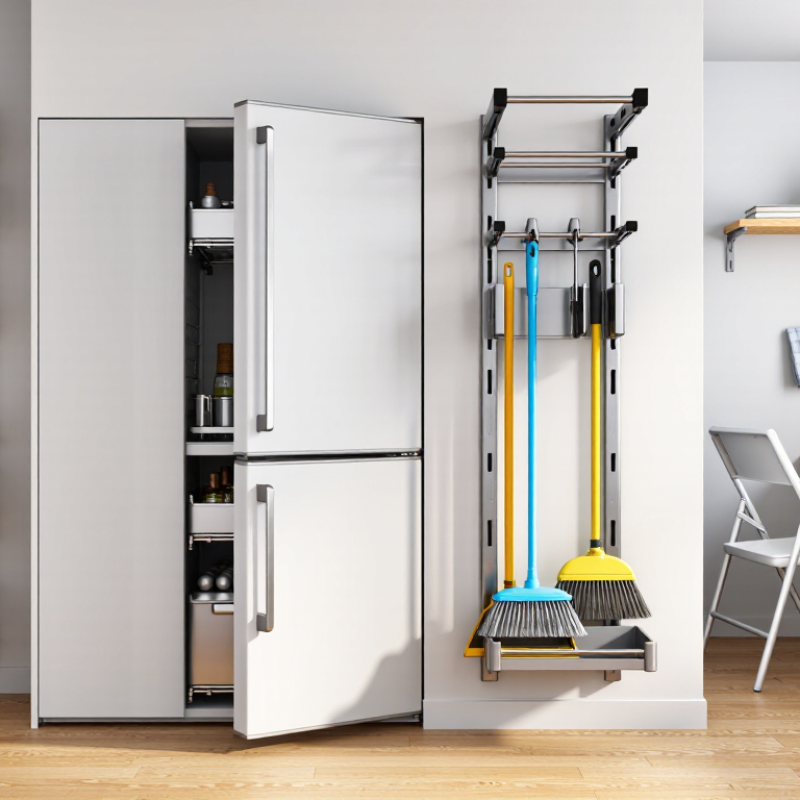
Small rooms demand smarter storage, not simply more furniture. In my experience, a narrow wall can hold far more when every bracket, rail, and hinge has a clear purpose. The right Hardware accessories for small space storage can turn unused corners into practical shelves, hanging zones, or compact work areas. A sturdy wall rail may organize cleaning tools beside a refrigerator. Soft-close hinges can reclaim cabinet space without creating noisy doors. Even a slim drawer slide can make deep, awkward cabinets easier to use.
This guide introduces ten reliable hardware choices for compact homes, apartments, studios, and utility rooms. Each option deserves attention to weight capacity, material quality, installation method, and daily handling. Stainless steel suits humid kitchens, while powder-coated metal often performs well in bedrooms and offices. Measurements matter more than attractive packaging. A bracket that fits a 40-centimeter shelf may fail on a heavier wooden board. That mistake is easy to make.
I have also learned that “space-saving” does not always mean “better.” Some folding fittings feel convenient but become loose after repeated use. Others require tools or wall conditions that many homeowners overlook. Check stud locations, product specifications, and clearance before drilling. Recheck everything. A few millimeters can affect a door, drawer, or sliding basket. The selections ahead focus on practical performance, clean installation, and sensible long-term value. They may not solve every storage problem, but they can reveal overlooked space without making a small room feel crowded.
What Small-Space Storage Hardware Accessories Are
Top 10 Hardware Accessories for Small Space Storage?
Small-space storage hardware accessories are the working parts that make compact storage useful. They include shelf brackets, adjustable shelf pins, drawer slides, cabinet hinges, wall rails, hooks, pull-down rods, corner turntables, folding brackets, and magnetic catches. These parts do more than hold objects. They create movement, access, and safer use in narrow areas.
A wall rail can support baskets above a desk, while hooks keep bags off the floor. Full-extension drawer slides let users reach items at the back without removing everything. Folding brackets can turn a narrow wall into a temporary work surface. In a corner cabinet, a rotating tray may reduce wasted depth.
Measure carefully. A few millimeters can affect alignment.
Load capacity matters more than appearance. Check the hardware rating, screw type, wall material, and moisture exposure before installation. Heavy shelves need firm supports, not decorative fittings. Soft-close hinges can reduce noise, but they may require precise adjustment. In my view, the most reliable solution is not always the smallest one. A slim bracket may save space yet flex under weight. That trade-off deserves honest consideration.
Small rooms also expose design flaws quickly. Doors may clash with nearby drawers. Hooks can become crowded. A pull-down rod might be difficult for shorter users. Test the opening path with cardboard before drilling. Leave hand clearance around moving parts. Storage should feel simple, though the hardware behind it often requires patient planning.
How to Evaluate Storage Hardware for Compact Areas
Choosing hardware for a compact room requires more than counting shelves. In small-kitchen tests, I measured doors, corners, and walking clearance before selecting accessories. Adjustable brackets, pull-out baskets, slim rails, fold-down hooks, corner hinges, drawer slides, magnetic catches, shelf pins, under-shelf supports, and cable clips can each save useful space. Yet every item needs evaluation.
Check the hardware’s load rating against the objects you actually store. A rail holding light towels may fail with cookware. Measure the full movement, not only the closed position. A pull-out basket needs space behind and beside it. Look for strong fasteners, smooth motion, corrosion-resistant finishes, and replaceable parts. Quiet operation also matters near bedrooms. I once ignored hinge clearance and blocked a nearby drawer. That mistake still influences my measurements.
Tips: Use cardboard templates before drilling. Mark the widest moving point. Choose vertical storage when floor space is limited. Test one accessory first. Leave a small clearance gap. Avoid filling every inch; crowded hardware becomes difficult to clean and inspect. Check whether walls can support the intended load, especially in older homes. A compact solution should remain accessible, stable, and easy to adjust when your storage needs change.
Top 10 Hardware Accessories for Small Space Storage
Typical projection from the mounting surface is a practical way to evaluate storage hardware for compact areas. Shallower accessories generally preserve more walking and working space.
The measurements show representative product dimensions commonly used for residential storage hardware. Actual dimensions vary by design and installation method. For narrow spaces, prioritize accessories with lower projection and verify door, drawer, and walkway clearance before installation.
Conclusion
Hardware accessories for small space storage are practical components designed to improve organization when floor area is limited. This guide explains how to evaluate them by considering size, weight capacity, durability, ease of installation, and compatibility with existing furniture. It also explores wall-mounted options such as rails, hooks, racks, and adjustable shelves, which make better use of vertical space while keeping everyday items accessible.
The article also introduces space-saving solutions for cabinets, drawers, and closets, including pull-out organizers, tiered inserts, sliding baskets, and compact hanging systems. These accessories can reduce clutter and make hidden storage areas more efficient without requiring major renovations. Finally, the guide offers installation and maintenance tips, such as measuring carefully, selecting suitable fasteners, distributing weight evenly, tightening hardware regularly, and cleaning moving parts. With thoughtful planning and proper upkeep, small-space storage systems can remain safe, functional, and adaptable over time.
 Batul Hardware
