In the bustling world of commercial spaces in China, the choice of furniture hardware can significantly impact functionality and aesthetics. Selecting the right furniture hardware for commercial spaces is not just about looks; it affects durability and user experience. From office settings to retail environments, effective hardware solutions can elevate the overall atmosphere.
The market offers a myriad of options, but not all are suitable for every situation. Some materials may lack the robustness needed for high-traffic areas. It’s crucial to consider how each piece of hardware will perform under daily use. Finding reliable suppliers ensures that the hardware meets industry standards, promoting longevity.
Investing in high-quality furniture hardware for commercial spaces can enhance both comfort and productivity. However, there are always new trends and technologies emerging. Keeping up-to-date can be overwhelming, making education and expert advice important. Balancing aesthetics with practicality is essential, and sometimes trial and error is involved. Ultimately, the goal is to create spaces that are both functional and inviting.
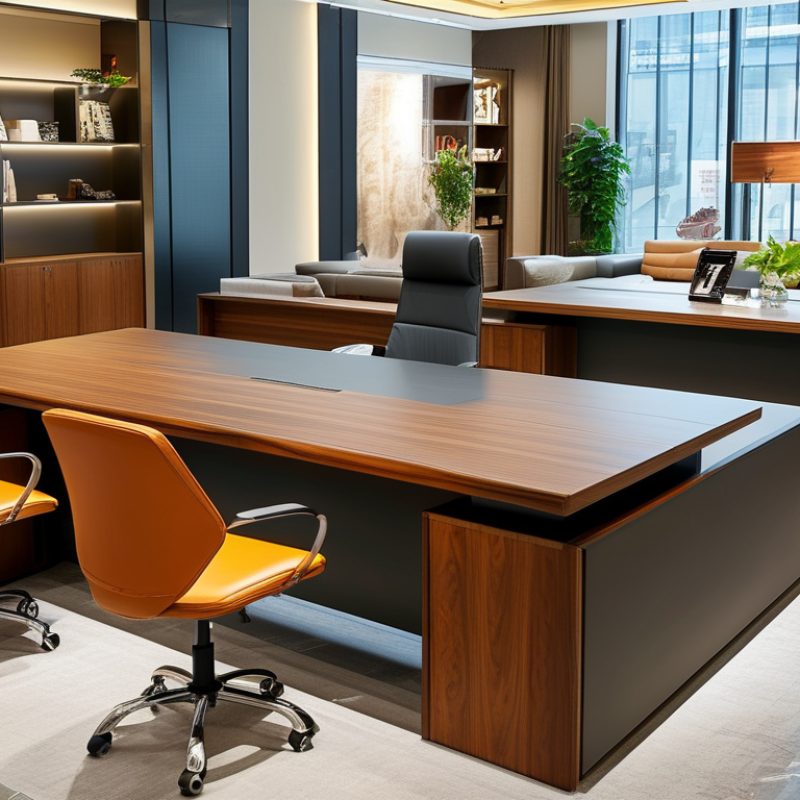
Overview of Furniture Hardware for Commercial Spaces in China
In the dynamic realm of commercial spaces in China, furniture hardware plays a crucial role.
Commercial environments often require robust and functional solutions that enhance both aesthetics and utility.
Businesses prioritize durable hinges, connectors, and drawer slides that can withstand daily wear and tear.
Proper installation of these components can significantly impact the overall functionality of furniture.
Many designers emphasize the importance of choosing the right materials.
Metal hardware often provides longevity, but finishing options matter too.
A visually appealing finish can enhance an otherwise utilitarian piece of furniture.
However, not all finishes age gracefully.
Some may tarnish or lose luster, prompting businesses to reconsider their choices.
There’s an ongoing debate about balancing aesthetics and functionality, making it vital to reflect on past decisions.
Furthermore, sourcing high-quality hardware can be challenging.
Suppliers vary in reliability, making it necessary to vet options carefully.
Seeking out trusted manufacturers can yield better outcomes.
Yet, many still overlook this step and face issues later.
Investing time upfront can save resources in the long run.
Commercial spaces in China continue evolving, and so must the hardware that supports them.
Key Considerations for Selecting Furniture Hardware in Commercial Environments
When selecting furniture hardware for commercial spaces in China, there are several key considerations. Durability is crucial. Hardware must withstand heavy usage. Look for materials like stainless steel or industrial-grade plastics. These options offer longevity, even in high-traffic areas.
Aesthetic appeal also matters. The finish and design of hardware can enhance the overall look of furniture. Consider how it complements the surrounding décor. Cohesiveness can contribute to a positive atmosphere for clients and employees alike. However, flashing designs may not always be the best choice. Simplicity often proves more reliable over time.
Lastly, ease of installation is important. Hardware that is difficult to install can lead to increased labor costs and time delays. Choose user-friendly options that facilitate smooth assembly. Yet, there is always a risk of overlooking compatibility issues between different types of materials. Remember to assess this before making any decisions. Ensuring the right fit can save time and resources in the long run.
Top 10 Furniture Hardware for Commercial Spaces in China
Top 10 Essential Furniture Hardware Items for Office Spaces
When designing office spaces, essential furniture hardware plays a critical role. A recent report by ResearchAndMarkets indicates that the commercial furniture hardware market in China is projected to reach $XX billion by 2025. This growth highlights the increasing importance of selecting quality hardware for functionality and aesthetics in workplaces.
Key items include adjustable legs for desks and tables, which enhance ergonomics and comfort. Reports show that ergonomic furniture contributes to a 15% increase in productivity. Hardware like drawer slides and cabinet hinges ensures longevity and seamless use. However, not all hardware performs equally; some low-cost options can lead to frequent repairs and replacements.
Office environments also benefit from cable management solutions. These prevent tangling and keep spaces organized. A study reveals that clutter-free workspaces can improve focus by 25%. Despite the benefits, many businesses overlook these details, which can lead to dissatisfaction among employees. Investing in the right furniture hardware not only enhances the workspace but also builds a positive company culture.
Durability and Material Quality in Commercial Furniture Hardware
When selecting furniture hardware for commercial spaces in China, durability is paramount. The hustle of daily use demands materials that can withstand wear and tear. Stainless steel, often favored for its strength, shows excellent resistance to corrosion and rust. However, sometimes it may not blend well with softer materials, such as wood or fabric. A balanced approach is essential to achieve both style and functionality.
Material quality plays a critical role in ensuring longevity. High-density polypropylene and aluminum fixtures are lightweight yet robust options for commercial environments. These materials resist chemicals and moisture. Yet, they can be prone to scratches and dents, especially in high-traffic areas. It's vital to choose components designed with reinforcement where needed.
The choice influences not just aesthetics, but maintenance as well. Regular upkeep is necessary, even for sturdy materials. Business owners should consider ease of cleaning and potential replacements in their planning. Each hardware element contributes to the overall experience, demanding careful consideration. Remember, no hardware is perfect; understanding its limitations ensures better decision-making.
Trends in Furniture Hardware Design for Modern Commercial Spaces
In modern commercial spaces across China, there’s a clear trend toward innovative furniture hardware design. Ergonomics is at the forefront. Studies indicate that ergonomic designs can enhance productivity by up to 20%. This shift focuses on improving user comfort and functionality. For instance, adjustable desks and flexible seating solutions are becoming standard in office environments. Designers are prioritizing the user experience, encouraging longer, more effective use of spaces.
Sustainability is also a crucial aspect of recent designs. Reports show that over 70% of businesses prefer eco-friendly materials. This can involve using recycled metals or sustainably sourced wood. Such materials not only appeal to environmentally conscious consumers but also enhance brand reputation. Nevertheless, the challenge lies in balancing sustainability with durability. Some eco-friendly options may lack the longevity desired in high-traffic commercial settings.
The aesthetic appeal of hardware is evolving too. Minimalist designs are gaining traction, reflecting a clean and modern look. Data suggests that minimalist spaces can lead to a 15% increase in customer satisfaction. Yet, while striving for modernity, some designs may sacrifice practicality. There's a fine line between style and usability, prompting an ongoing discussion within the industry. Finding the right balance remains a challenge for many designers.
FAQS
: It enhances functionality and aesthetics. Durable components withstand daily wear and tear.
Metal is often preferred for longevity. Finishing options also play a crucial role.
Suppliers vary in reliability. It's essential to vet options before making choices.
Ergonomic designs can boost productivity by up to 20%. Comfort leads to better user experience.
Over 70% of businesses prefer eco-friendly materials. Balancing sustainability with durability is essential.
Minimalist designs can increase satisfaction by 15%. However, they sometimes sacrifice usability.
Poor installation can hinder functionality. It’s vital to get it right for optimal use.
Not all finishes age well. Reflecting on choices may prevent future issues.
Using eco-friendly materials attracts environmentally conscious customers. This can strengthen brand image.
Striking a balance between style and practicality is challenging. Designers often grapple with this issue.
Conclusion
The article titled "Top 10 Furniture Hardware for Commercial Spaces in China" provides a comprehensive overview of furniture hardware specifically designed for commercial environments. It emphasizes the importance of selecting the right furniture hardware for commercial spaces, considering factors such as durability, material quality, and design trends. Key considerations highlighted include how hardware impacts the functionality and aesthetic of office spaces, which are crucial for enhancing employee productivity and ensuring a positive professional atmosphere.
In the list of the top 10 essential furniture hardware items, the article identifies critical components that contribute to the overall efficiency and appeal of commercial furnishings. It also explores current trends in design that align with modern expectations, illustrating how furniture hardware for commercial spaces evolves to meet the needs of contemporary businesses. Overall, the article serves as a valuable resource for anyone involved in the design or furnishing of commercial environments in China.

 Batul Hardware