Why Does Sliding Door Hardware Fail Troubleshooting Tips

Time:2026-09-23 Author:Ethan
0%

Why Does Sliding Door Hardware Fail? Troubleshooting Tips

Sliding doors often fail without warning. Yet the warning is usually visible. A loose handle, rough roller, or dark metal dust can reveal the problem. The door may scrape the lower track before it stops moving. Sometimes, the hardware is blamed too quickly. The real cause may be an uneven frame, worn rollers, or excessive door weight.

Lori Greene, a respected architectural hardware consultant, offers a useful diagnostic principle: “A door problem should be diagnosed at the opening, not guessed from the symptom.” That idea guides effective Sliding door hardware troubleshooting solutions. Technicians should inspect the complete opening, not only the latch or wheel assembly. Check the track for dents, grit, and flattened sections. Look for missing fasteners around the header. Test whether the panel hangs squarely when lifted slightly.

Small details matter.

A sticky roller can increase operating force and strain the handle. A poorly aligned panel can damage seals, locks, and guides over time. Cleaning may help, but it will not repair a bent track. Replacement may seem efficient, yet the same failure can return if the frame remains distorted. I have seen hardware changed twice because the original diagnosis was too narrow. That mistake is easy to repeat.

This guide examines common failure patterns, practical inspection methods, and repair decisions. It also questions a common assumption: smoother movement does not always mean safer operation. Reliable results require patience, accurate measurements, and a willingness to reconsider the first explanation.
Why Does Sliding Door Hardware Fail Troubleshooting Tips

Common Causes of Sliding Door Hardware Failure

Sliding door hardware often fails because several small problems develop together. Dirt collects inside the lower track, creating resistance under the rollers. A few grains of sand can make a door feel unusually heavy. Loose screws may also shift the frame, causing uneven pressure and scraping.

Worn rollers are another common cause. Look for flat spots, cracked wheels, or a door that tilts while moving. Moisture can corrode axles, bearings, and fasteners, especially near exterior openings.

Excessive panel weight may overload hardware designed for lighter doors. Impact damage is easy to miss; a bent track can look straight until the door reaches one section.

Start with a close inspection and avoid forcing the panel. Clean the track with a narrow brush, then check whether the rollers turn freely. Tighten loose fasteners carefully, but do not crush the frame. If adjustment screws move unevenly, the roller assemblies may already be damaged. Measure the gap between the panel and frame at several points. Different gaps suggest alignment trouble. A small level helps confirm it.

I have seen homeowners replace rollers when the real problem was a sagging frame. That mistake wastes time. Lubricant can also hide wear temporarily, so smooth movement is not proof of a sound repair. If the panel is heavy or glass-filled, use proper support and follow the hardware maker’s load guidance. Some failures need replacement, not adjustment.

How to Identify Sliding Door Hardware Problems

Why Does Sliding Door Hardware Fail? Troubleshooting Tips

How to Identify Sliding Door Hardware Problems

Sliding door hardware often reveals trouble before the door stops moving. Watch for scraping, rattling, uneven gaps, or sudden resistance. A door that feels heavy may have worn rollers, a dirty track, or incorrect adjustment. Check whether the panel sits level when closed. If one corner drops, inspect the rollers and mounting screws beneath the panel. Do not force the door. Extra pressure can damage the track and hide the original problem.

Tips: Clean the track with a dry brush first. Then inspect it under bright light. Look for dents, loose fasteners, and small metal flakes. Test the rollers by opening the door slowly. A repeating bump usually points to wheel damage or debris. A grinding sound may indicate worn bearings. Handle looseness often comes from loose internal screws, but the latch may also be misaligned.

Compare the door’s movement before and after cleaning. If the problem remains, check the frame for movement or distortion. Moisture can cause corrosion, especially near exposed thresholds. Measure the gap along both vertical edges. Unequal gaps suggest alignment trouble rather than simple dirt. I have sometimes blamed the rollers too quickly; the frame was actually out of square. That mistake matters. If adjustment screws are stripped, parts are bent, or the glass panel shifts, stop testing and consult a qualified door technician.

Step-by-Step Checks for Tracks, Rollers, and Handles

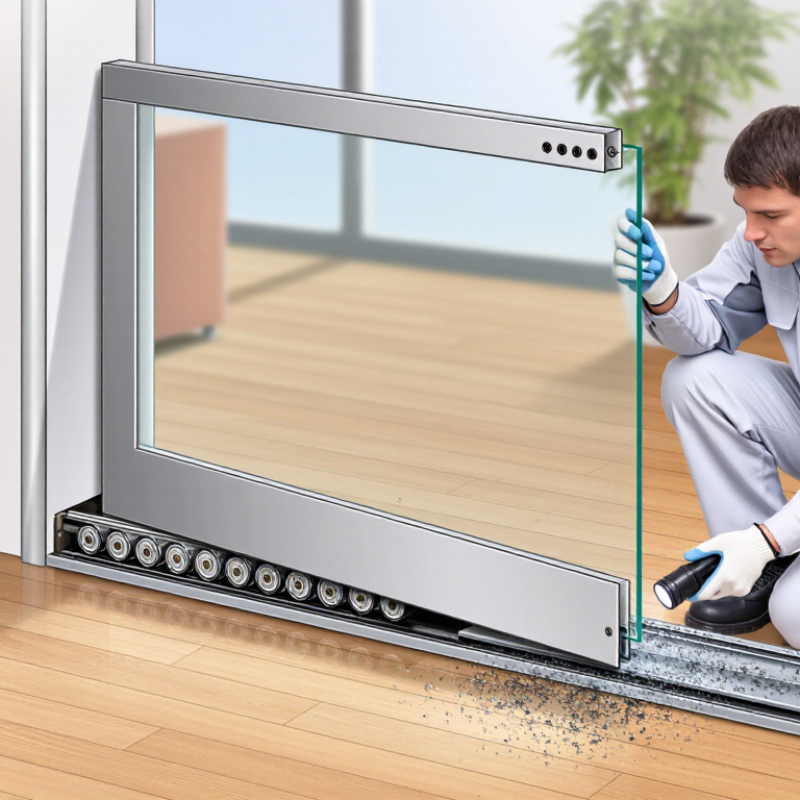
A sliding door often fails at the track, not the handle. Start with the door closed and inspect the lower channel with a flashlight. Look for grit, bent sections, loose screws, or crushed weather seals. Remove debris with a soft brush and vacuum. Avoid scraping the surface with metal tools. A small stone can make the door feel seriously damaged.

Track & Roller Check

Next, test the rollers. Lift the door slightly and check for uneven movement, wobbling, or scraping sounds. Many roller assemblies have adjustment screws near the bottom edge. Turn each screw a little, then test the door again. Keep both sides level. An uneven panel can overload one roller and damage the track. I have seen people adjust one side too quickly, creating a new problem. Patience matters here.

Check the handles and latch after the door moves smoothly. Tighten loose fasteners, but do not overtighten them. Excess pressure can crack the frame or strip the screw hole. Operate the handle several times and watch whether the latch enters the strike plate cleanly. If the handle feels loose inside, the internal spindle may be worn. Do not force it. Replace damaged hardware with parts matched to the door’s size and load. If the panel is heavy, cracked, or difficult to lift safely, stop and contact a qualified repair professional. Safety glasses and two-person lifting are sensible precautions.

Repair and Replacement Options for Failed Components

Sliding door hardware often fails through gradual wear rather than one dramatic break. Rollers may flatten, tracks can bend, and handles may loosen after years of daily use. Check the door’s movement before ordering parts. A rough sound usually points to damaged rollers or debris inside the track. A door that drops at one corner may need roller adjustment or replacement. Remove the door carefully, because its weight can surprise you. I have seen owners replace the track when only the rollers were worn.

Repair is practical when the frame remains straight and replacement parts match the original measurements. Clean metal tracks with a dry brush, then remove hardened dirt with a suitable cleaner. Replace cracked rollers, stripped screws, bent brackets, or broken locks rather than forcing them back into place. Replacement hardware should match the wheel diameter, housing shape, mounting holes, and door thickness. Small differences matter. If the track is deeply grooved, replacing rollers alone may provide only temporary improvement. A complete hardware set can cost more, but it often restores smoother operation and reduces repeated labor.

Tips: Measure twice before buying. Photograph each fitting. Test the door on a level surface. Avoid heavy oil, which traps dust and may worsen movement. Tighten screws gradually, then check alignment after every adjustment. Do not ignore slight rubbing; it can become expensive damage. My own rule is simple: if the door still drags after cleaning and alignment, stop adjusting and inspect the hidden components.

Why Does Sliding Door Hardware Fail? Troubleshooting Tips, Repair and Replacement Options for Failed Components

Failed Component Typical Symptoms Common Causes Initial Troubleshooting Repair Option Replacement Guidance Difficulty Typical Service Interval
Rollers or Wheels Door drags, sticks, wobbles, or requires excessive force. Dirt in the track, worn bearings, corrosion, or an overloaded door panel. Vacuum and clean the track; check roller height and inspect for flat spots. Clean and lubricate compatible moving parts; adjust roller height if the mechanism is serviceable. Replace damaged or noisy roller assemblies with parts that match the door weight and mounting pattern. Moderate Inspect every 6–12 months; replace when movement remains rough after cleaning.
Door Track or Rail Repeated jamming, uneven travel, visible dents, or a roller jumping out. Impact damage, accumulated debris, corrosion, or an incorrectly aligned frame. Check for obstructions and use a straightedge to identify bends or low spots. Remove minor debris and carefully correct small surface irregularities when safe to do so. Replace severely bent, deeply corroded, or structurally loose track sections. Moderate–High Clean quarterly; inspect after impacts, remodeling, or water exposure.
Adjustment Screws Door rubs the frame, gaps are uneven, or the panel does not sit vertically. Loose fasteners, stripped threads, settling, or incorrect roller adjustment. Turn adjustments in small increments and confirm that the panel clears the frame. Retighten accessible fasteners and replace damaged screws with correctly sized hardware. Replace the adjustment mechanism if the threads are stripped or the screw cannot hold its setting. Low Check during annual maintenance or whenever the door becomes difficult to align.
Handles and Latches Handle feels loose, latch does not engage, or the door will not secure properly. Loose mounting screws, misalignment, worn springs, or a damaged latch body. Check screw tightness and verify that the latch aligns with the strike or keeper. Tighten fasteners, realign the keeper, and clean the latch opening without forcing it. Replace the handle or latch when springs, internal parts, or mounting points are damaged. Low–Moderate Test operation every 6 months and after any frame movement.
Track Guide or Bottom Guide Panel sways, rattles, or moves laterally during operation. Loose guide, worn guide channel, dirt buildup, or a warped panel edge. Remove debris and check whether the guide is centered and firmly attached. Retighten or reposition the guide; replace worn inserts when separately serviceable. Install a matching guide if it is cracked, excessively worn, or no longer controls movement. Low Clean and inspect every 6–12 months.
Anti-Jump Clips or Retainers Door lifts unusually high, rattles, or appears able to leave the track. Missing fasteners, incorrect adjustment, impact damage, or a bent retainer. Inspect all retainers before operating the door and confirm adequate clearance. Tighten or adjust only according to the door’s hardware configuration. Replace missing, cracked, or deformed retainers before returning the door to service. High Safety Priority Inspect annually and immediately after a derailment or impact.
Lock Cylinder or Lock Body Key turns with difficulty, lock does not engage, or the door remains unsecured. Misalignment, worn internal parts, contamination, or excessive force on the key. Check alignment first; do not force the key or use unsuitable oily products. Realign the latch and use a lubricant approved for lock mechanisms if appropriate. Replace the cylinder or complete lock body when internal components are worn or seized. Moderate Test every 6 months; service sooner if key operation changes.
Fasteners and Mounting Brackets Hardware shifts, rattles, or separates from the frame or panel. Vibration, incorrect screw length, stripped holes, corrosion, or weak substrate. Inspect for movement and corrosion; support heavy panels before removing hardware. Retighten suitable fasteners and repair minor mounting damage with an appropriate method. Replace corroded brackets or use compatible fasteners designed for the mounting material. Moderate–High Inspect annually and after unusual noise, impact, or visible movement.
Weather Seals and Brush Strips Drafts, water entry, increased noise, or visible gaps around the panel. Age-related compression, tearing, dirt, incorrect alignment, or damaged seal channels. Clean the seal and inspect for continuous contact when the door is closed. Reposition loose sections or replace short, removable seal segments when possible. Replace cracked, flattened, or missing seals using the correct profile and dimensions. Low Inspect annually and after severe weather exposure.
Door Panel or Frame Alignment Persistent rubbing, large gaps, cracked glazing, or a frame that appears out of square. Building settlement, moisture damage, structural movement, or improper installation. Measure diagonals and clearances; stop operation if glass or the frame is unstable. Minor alignment may be corrected through roller adjustment; structural issues require assessment. Repair or replace damaged structural parts only after confirming the cause and panel compatibility. Professional Assessment Inspect after settlement, water damage, impact, or significant operating changes.
Safety note: Sliding door panels can be heavy and may contain fragile glass. Support the panel properly and seek qualified assistance when removing a panel, repairing structural damage, or replacing hardware that affects security or fall protection.

Preventive Maintenance for Long-Lasting Door Performance

Sliding door hardware rarely fails without warning. In field inspections, I often find dirt packed around rollers and track channels. Preventive maintenance keeps small problems from becoming expensive repairs. A door that feels heavy is already giving useful evidence. Do not force it. Inspect the track monthly, especially near entrances exposed to rain, sand, or pet hair. Remove debris with a soft brush, then wipe the channel with a dry cloth. Moisture left inside the track can encourage corrosion.

Check rollers, guides, fasteners, and stops during the same inspection. Loose screws may cause uneven movement or rattling. Worn rollers can create flat spots, making the door jump across the track. Replace damaged parts with correctly sized components. Avoid applying thick grease to dusty tracks. It often forms a gritty paste. Use a lubricant suitable for the hardware, and apply only a small amount. Keep lubricant away from surfaces people touch.

I once overlooked a slightly bent guide because the door still moved. The problem became worse within weeks. That mistake changed my inspection routine. I now open and close the door several times, listening for scraping or clicking. Record unusual resistance, gaps, and repair dates. A simple maintenance log improves follow-through. No schedule is perfect. Still, consistent checks help reveal patterns before hardware fails. If adjustment does not restore smooth movement, consult a qualified door technician rather than forcing the system.

Why Does Sliding Door Hardware Fail? Preventive Maintenance Intervals

Regular cleaning and inspections help prevent the most common sliding-door problems, including track contamination, worn rollers, loose fasteners, seal damage, and misalignment. Shorter service intervals are recommended for components exposed to heavy use, moisture, or debris.

FAQS

What commonly causes sliding door hardware to fail?

Dirt, loose screws, worn rollers, moisture, excess weight, and bent tracks are common causes. Small problems often combine.

How can I tell if the rollers are worn?

Look for flat spots, cracked wheels, or a door that tilts during movement. Listen for rough sounds. Do not force it.

What should I check before ordering replacement parts?

Measure wheel diameter, housing shape, mounting holes, and door thickness. Photograph each fitting. Measure twice.

When should rollers be repaired or replaced?

Repair may work when the frame stays straight and parts remain sound. Replace cracked rollers, stripped screws, or damaged brackets.

Can cleaning the track solve a heavy sliding door?

Sometimes. Brush out sand, pet hair, and hardened dirt, then wipe the channel dry. A few grains can matter.

Why might lubrication fail to fix the problem?

Lubricant can hide wear for a short time. Heavy oil may trap dust and create gritty paste. Smooth movement is not proof of repair.

How can I prevent future hardware problems?

Inspect the track monthly, especially near rain, sand, or busy entrances. Check rollers, guides, fasteners, and stops together.

When should I seek professional help?

Stop adjusting when the door still drags after cleaning and alignment. Heavy or glass-filled panels need proper support. One mistake can cause damage.

Conclusion

Sliding door hardware can fail for several reasons, including dirt buildup, worn rollers, bent or misaligned tracks, loose screws, corrosion, and excessive force during operation. Early warning signs may include sticking, scraping sounds, uneven movement, gaps, or a handle that feels loose. Effective Sliding door hardware troubleshooting solutions begin with a careful inspection of the track, rollers, locks, handles, and fasteners. Cleaning the track, checking alignment, tightening hardware, and testing the door’s movement can help identify the source of the problem.

Minor issues may be resolved by removing debris, adjusting components, lubricating suitable moving parts, or replacing damaged screws and rollers. If a track, handle, or roller is severely worn or bent, replacement may provide a safer and more reliable result. Regular maintenance, including cleaning, inspection, gentle operation, and timely repairs, can reduce friction, prevent further damage, and help maintain smooth, long-lasting door performance.

Ethan

Ethan

Ethan is a seasoned marketing professional with a deep expertise in our company's innovative product line. With a passion for sharing knowledge and insights, he takes the lead in regularly updating our corporate blog, where he explores industry trends, product features, and effective marketing......