Choosing the right furniture hardware can make or break your interior design. In 2026, the market offers a plethora of options, which can feel overwhelming. Experts suggest a thoughtful approach. Renowned designer Jamie Drake states, "The hardware is the jewel of the furniture." This sentiment captures the essence of how small details influence overall aesthetics.
When considering how to choose furniture hardware, several factors come into play. Think about the style of your furniture. Is it modern, rustic, or classic? Matching hardware to your style is crucial. Quality matters too. Durable materials last longer and maintain their beauty.
However, many overlook personal preference. The choice should reflect your unique taste. Sometimes, what looks stunning may not feel right in your home. Don’t rush. Take time to explore various options, ensuring every piece complements your vision. Perfect choices are born from careful reflection and understanding.
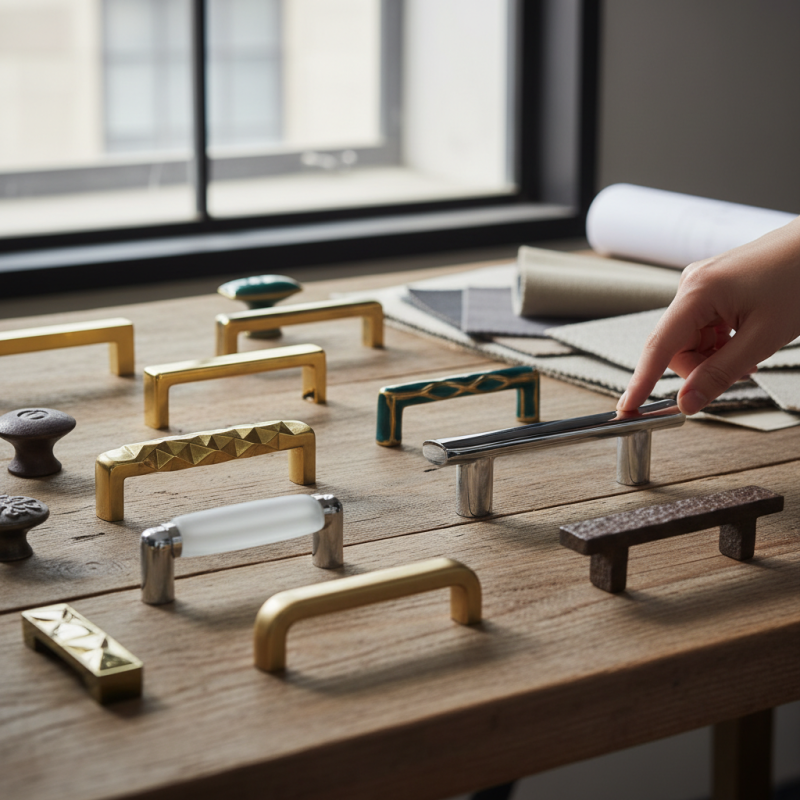
When it comes to choosing furniture hardware for 2026, understanding key trends is crucial. According to a recent industry report, the demand for sustainable materials is increasing. In fact, 72% of consumers prefer eco-friendly options. This shift indicates a move towards biodegradable or recycled materials. Hardware that supports these materials will likely see higher demand.
Customization is another notable trend. Personalization in furniture design is on the rise. Reports suggest that 65% of buyers seek unique, tailor-made hardware. This trend emphasizes the need for suppliers to offer diverse options. Features like interchangeable knobs and flexible mounting systems are gaining popularity.
Tips:
Explore local artisans for unique pieces. Their custom designs can elevate any furniture project.
Consider the ergonomic aspects of your hardware choices. Comfort can significantly enhance user experience.
Stay informed about industry breakthroughs. New materials and technologies are developing rapidly.
When selecting furniture hardware for 2026, material quality and durability are paramount. Reports show that hardware failures can reduce furniture longevity by up to 30%. This underlines the need for rigorous material assessment. Brass and stainless steel are popular due to their resistance to corrosion and wear. Studies highlight that brass can withstand higher temperatures and provides a classic aesthetic.
However, not every manufacturer upholds these standards. Inspecting the origin of materials is crucial. Statistics indicate that over 40% of hardware products fail due to inferior manufacturing methods. Testing for hardness and tensile strength is essential. For instance, a hardness rating of over 200 HV is often recommended for drawer slides. This ensures they endure daily use without bending or breaking.
While selecting hardware, practicality cannot be overlooked. Some pieces may look stylish but compromise functionality. Weight should also be considered; heavier pieces often indicate better materials but may not fit all designs. A balance of form and function is necessary. Keeping up with trends while ensuring durability leads to a more sustainable choice for 2026. A thoughtful approach will yield the best results.
When selecting furniture hardware for 2026, understanding design aesthetics is crucial. Design aesthetics influence not just the visual appeal, but also the overall style of the furniture. Consider how different materials and finishes can transform a piece. For instance, brushed brass offers a warm, inviting touch, while matte black delivers a modern edge. Each choice carries implications for the atmosphere of your space.
The impact of design aesthetics goes beyond mere appearance. It's about creating a cohesive look that reflects your personal style. Take time to assess the characteristics of various hardware pieces. Are they functional, or just pretty? Balance these aspects to avoid an empty design. Sometimes, the simplest choices can have the most profound effect.
Reflect on how different hardware interacts with your furniture, and whether it enhances or detracts from the intended style. This process requires thoughtful consideration of your surroundings and how hardware can complement them.
When choosing furniture hardware for 2026, assessing functionality is crucial. Research indicates that over 70% of homeowners prioritize ease of use in their hardware selections. Functional hardware enhances the overall efficiency of furniture. For example, soft-close hinges and drawer slides improve daily usage. They provide a smoother operation and extend the life of your furniture.
Installation is another important factor. Data from industry reports show that nearly 65% of DIY enthusiasts find complex hardware setups frustrating. Opting for easy-to-install hardware can make a significant difference. Look for products that come with clear instructions and all necessary tools. Some hardware options allow for tool-free assembly, catering to a wider audience.
However, not all hardware perfectly meets user needs. Issues like misalignment and difficulty in adjustments can arise. Exploring customer reviews can provide insight into common challenges. It's essential to weigh both user experiences and expert opinions before making decisions. This balance can lead to a more satisfying outcome in your furniture projects.
When selecting furniture hardware, budgeting wisely is crucial. The balance between cost and quality often influences your overall project. Many options promise durability but come with a high price tag. It's tempting to choose cheaper alternatives, but they may not last long. You might find yourself replacing them sooner than expected.
Consider the materials used in the hardware. Stainless steel offers longevity but may stretch your budget. On the other hand, plastic or low-grade metals might save money upfront but could lead to future expenses. The cheaper choice can sometimes lead to regrets. Is functionality sacrificed for the sake of saving a few bucks? Reflect on how often you'll need to replace inferior products.
Think about the style and finish as well. Select pieces that enhance the overall design of your furniture. Investing in hardware that complements your decor pays off in the long run. Visit local shops or browse online, but don't rush into decisions. Comparison shopping allows you to see the difference in quality. Balancing cost and quality requires time and careful thought. It's worth the effort to achieve a well-rounded result.
This bar chart displays the average cost and quality ratings of various furniture hardware types anticipated in 2026. The left data set represents the average cost in dollars, while the right reflects quality ratings on a scale from 1 to 10. Such insights will help consumers make informed decisions balancing cost and quality when purchasing furniture hardware.
: Material quality impacts longevity. Hardware failures can reduce furniture life by up to 30%.
Brass and stainless steel are recommended. They resist corrosion and offer longevity.
Inspect the origin of materials. Over 40% of hardware fails due to poor manufacturing.
A hardness rating over 200 HV is recommended. This helps prevent bending and breaking.
No, style shouldn't compromise functionality. Balance aesthetics with practical use for better results.
Cheaper hardware might save money initially but can lead to more replacement costs later.
Heavier pieces usually indicate better materials. However, ensure they fit your design needs.
Balance cost with quality. Invest in durable pieces to avoid frequent replacements.
Select hardware that complements the overall design. A good match enhances decor visually.
It allows you to see quality differences. Take time to avoid rushed, poor decisions.
When it comes to learning how to choose furniture hardware for 2026, it’s essential to consider several key trends affecting the market. First, identifying emerging trends in furniture hardware can help consumers make informed decisions about which styles and materials are gaining popularity. Evaluating the quality and durability of different hardware options is crucial, as this impacts both the longevity and functionality of the furniture.
Furthermore, understanding design aesthetics is important, as the right hardware can significantly enhance the overall look of furniture. Equally, assessing functionality and ease of installation ensures a seamless setup process. Lastly, budgeting wisely by balancing cost and quality will enable consumers to invest in hardware that meets both their aesthetic desires and practical needs, resulting in well-rounded and stylish furniture choices.

Batul Hardware