The demand for minimalist furniture hardware designs is on the rise in China. With urban living spaces getting smaller, homeowners seek efficiency without sacrificing style. This trend caters to those valuing simplicity and functionality in their environments.
In recent years, various designers have emerged, showcasing innovative hardware that complements minimalist furniture. Brands are merging aesthetics with practicality, focusing on clean lines and subtle craftsmanship. However, as choices expand, the risk of poor quality increases.
Navigating this vast market requires discerning taste and reliable sources. Emphasizing craftsmanship is essential but often overlooked. Consumers should critically evaluate each piece, seeking authenticity in minimalist furniture hardware designs. Balancing style and durability is not always straightforward, reminding us to reflect on what truly enhances our living spaces.
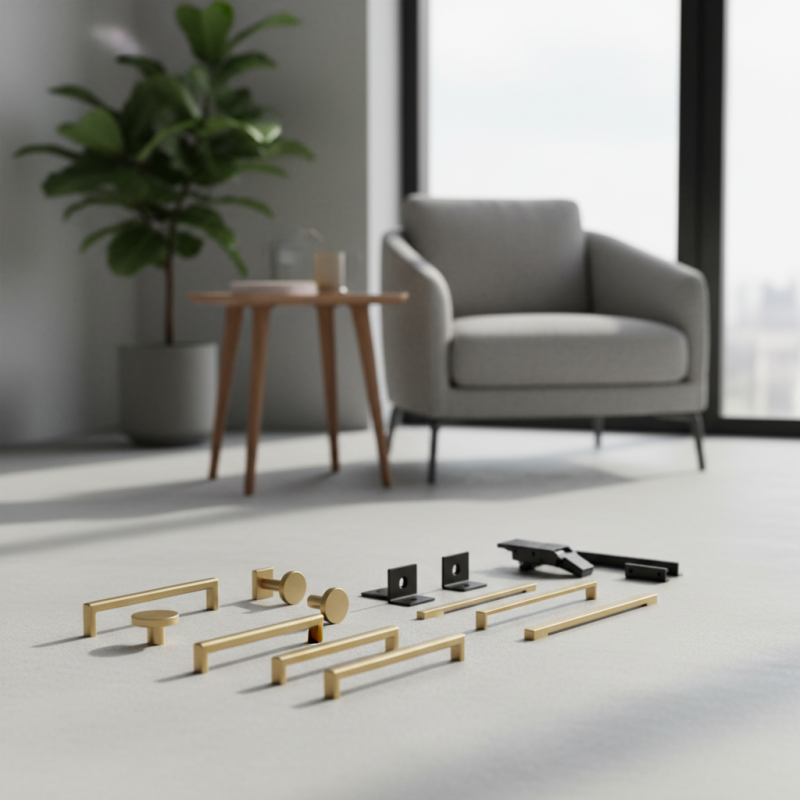
Minimalist furniture hardware embraces simplicity and functionality. This design trend reduces visual clutter and emphasizes clean lines. In China, craftsmen are innovating with materials like metal, wood, and glass. These elements create stylish, unobtrusive details that enhance any space.
The appeal of minimalist designs lies in their versatility. They fit seamlessly into various styles, from contemporary to traditional. However, executing a perfect minimalist piece can be challenging. Balancing aesthetics with practicality requires careful thought. Sometimes, less truly is more, but how do we ensure that essential functions are not sacrificed?
Innovative design often involves reflecting on imperfections. A slightly uneven surface may add character. Minimalist hardware can benefit from embracing flaws, creating unique pieces that tell a story. Additionally, as trends shift, staying ahead can be tricky. Designers must continue to evolve, questioning what constitutes minimalism in today's context.
Minimalist furniture hardware in contemporary China reflects a growing trend towards simplicity and functionality. The industry has seen significant growth, with a report by Research and Markets estimating a compound annual growth rate (CAGR) of 5.2% in the segment from 2021 to 2026. This emphasizes a shift towards designs that prioritize clean lines and efficient use of space.
Key features of minimalist furniture hardware include geometric shapes and neutral color palettes. These designs often utilize materials like stainless steel and aluminum. A recent survey by the China National Furniture Association revealed that 72% of consumers prefer hardware that combines durability with understated aesthetics. However, challenges remain. The abundance of choices can overwhelm buyers, making it hard to select the perfect item.
Moreover, some minimalist designs may lack comfort. While they prioritize style, functionality must also be considered. While these products appeal to many, there is a risk that they could sacrifice personal expression for uniformity. The balance between aesthetics and practicality is a continuous journey for designers in this evolving market.
When exploring minimalist furniture hardware in China, various materials stand out. Wood, metal, and glass are popular for their simplicity and elegance. According to a report by the China Furniture Association, these materials account for 75% of minimalist designs. They offer durability and style, appealing to modern consumers.
Wood, especially bamboo, is favored for its sustainability. Bamboo reduces deforestation and adds a warm aesthetic. Metal hardware often includes stainless steel and aluminum. These materials provide a sleek, industrial look while resisting corrosion. Glass accents are used to create a sense of openness in spaces.
**Tip:** When selecting materials, consider both aesthetics and practicality. Mixing materials can enhance the overall design. Always test the feel of the hardware. Comfort and functionality should be your top priorities. Reflect on your needs and space layout. Each choice impacts your home's atmosphere. Minimalism may seem simple but requires thoughtful decision-making.
In recent years, the minimalist furniture hardware sector in China has seen a remarkable evolution. Innovative designs emphasize simplicity and functionality, attracting both local and international markets. Reports indicate that the demand for minimalist hardware solutions has surged by over 30% annually. This trend reflects a growing preference for clean aesthetics and practicality in home design.
Chinese brands are at the forefront of this movement. Their focus on sustainable materials aligns with global priorities. Many manufacturers utilize eco-friendly options while maintaining quality. However, challenges persist, such as sourcing these materials and ensuring consistent quality control. Experts note that some products still fall short in durability, raising concerns among consumers seeking long-lasting solutions.
A growing emphasis on design has fostered a vibrant community of young designers in China. They push boundaries, creating unique hardware that balances form and function. Additionally, consumer feedback highlights a desire for more customizable options. This reflects a shift toward personalization in home décor. While many brands excel, ensuring reliability remains crucial for long-term success in this competitive market.
When it comes to minimalist furniture, the hardware choices play a crucial role in achieving the desired aesthetic. A well-chosen piece of hardware not only enhances functionality but also complements the overall design. According to recent industry reports, the minimalist furniture market in China is projected to grow at an annual rate of 8% over the next five years. This signifies a rising demand for streamlined designs that focus on simplicity.
Tip: Select hardware that blends seamlessly with your furniture style. Opt for finishes like matte black or brushed nickel. These options offer a sleek look without overwhelming the design. Aim for pieces that can withstand daily use while maintaining their elegance. Consider durability; high-quality materials extend the lifespan of your hardware. It’s essential to avoid overly intricate designs that may detract from minimalism.
Another key aspect is size and scale. Ensure that the hardware proportions match the furniture. Too large can be bulky; too small may get lost. Take time to measure and visualize how each piece fits into your space. Think about usability, especially in high-traffic areas or for multifunctional furniture. Remember that an excellent choice today might not suit your needs in the future. Reflecting on these aspects can lead to better decisions in the long run.
: There is a growing trend towards simplicity and functionality. Consumers prefer clean lines and efficient use of space.
Popular materials include wood, metal, and glass. They account for 75% of minimalist designs.
Bamboo is sustainable and reduces deforestation. It also adds a warm aesthetic to furniture.
The abundance of choices can overwhelm buyers. It can be hard to select the perfect item.
Some minimalist designs may lack comfort. Functionality must be considered alongside style.
Designers are on a continuous journey to balance aesthetics and functionality in minimalist designs.
Each material choice impacts the overall feeling in your home. Reflect on your needs and space layout.
Yes, comfort and functionality should be top priorities. Testing the feel of hardware is essential.
Yes, mixing materials can enhance overall design. It adds depth and interest to minimalist aesthetics.
Minimalism may seem simple but requires thoughtful decision-making. Reflect on choices that suit your lifestyle.
This article delves into the realm of minimalist furniture hardware designs, highlighting the latest design trends that are shaping contemporary spaces in China. It emphasizes the key features that characterize these designs, such as simplicity, functionality, and elegance, which cater to modern aesthetics while enhancing usability.
Furthermore, the article explores the popular materials utilized in these hardware designs, ranging from sustainable woods to metals that exemplify durability and style. It also provides insights into innovative Chinese brands that are at the forefront of minimalist hardware solutions, offering unique products that align with the minimalist philosophy. Finally, readers will find valuable tips on selecting the right minimalist furniture hardware for their spaces, ensuring a cohesive and stylish integration into their interiors.

Batul Hardware