Affordable Luxury Furniture Hardware Trends to Watch in 2026?

Time:2026-05-19 Author:Isabella
0%

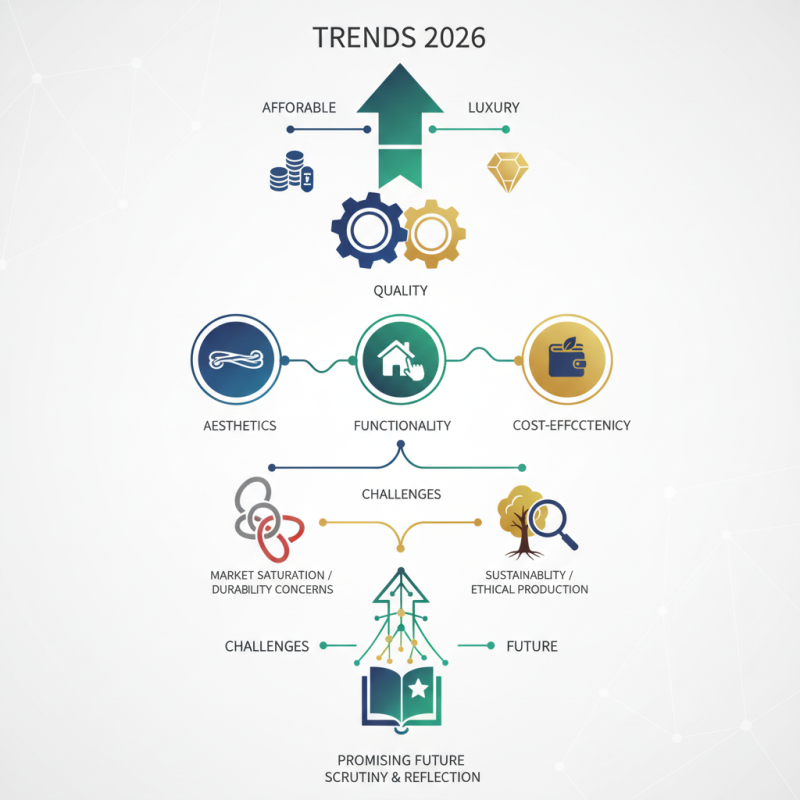
As we look toward 2026, the world of "affordable luxury furniture hardware" is evolving rapidly. Industry expert Jane Doe, a renowned designer with over two decades of experience, highlights, “The key to successful furniture design lies in blending affordability with luxury.” Her insights underscore a growing trend where quality and elegance can coexist within a reasonable budget.

This evolution is reshaping how consumers perceive value. A well-crafted knob or handle can elevate an entire room. Consumers are now seeking pieces that blend aesthetics with functionality without breaking the bank. Rising designers and brands are pushing boundaries, offering innovative solutions that prioritize both design and cost-effectiveness.

Yet, amidst this progress, there are challenges. As the market becomes saturated, distinguishing high-quality hardware from less durable options can be tricky. Consumers need to remain vigilant. Reliable brands will always focus on sustainability and ethical production. The future is promising, but the journey to true affordable luxury requires careful scrutiny and reflection.
Affordable Luxury Furniture Hardware Trends to Watch in 2026?

Emerging Trends in Affordable Luxury Furniture for 2026

As we approach 2026, the demand for affordable luxury furniture continues to rise. Reports indicate that more consumers are prioritizing quality alongside aesthetics, making informed choices when it comes to their home investments. The global market for luxury furniture is expected to grow by 4.5% annually, showcasing the shift towards blending affordability with high-end designs.

Homeowners are increasingly drawn to versatile pieces that maximize space while providing comfort. Materials like eco-friendly woods and sustainable fabrics are trending. These options not only appeal to the environmentally conscious but also offer a refined look. Consider incorporating modular furniture, which allows customization to fit diverse living spaces, ensuring practicality and style.

**Tip:** Focus on quality craftsmanship. Even in affordable ranges, well-made furniture elevates your home. Investing in fewer high-quality pieces can be better than filling your space with inexpensive alternatives.

As trends evolve, so do consumer expectations. The rise of online shopping has made it easier to access diverse options. However, some consumers still grapple with product authenticity. Online reviews and certifications can guide your choices.

**Tip:** Check for materials and construction details. Understanding what goes into your furniture can directly impact your buying decisions.

Sustainable Materials in Luxury Furniture: Market Growth Projections

Sustainable materials are transforming the luxury furniture market. Recent reports indicate a projected growth rate of 9.6% annually through 2026. This trend is powered by increasing consumer demand for eco-friendly products. High-income earners are particularly interested in sustainability. They seek luxury but with a conscience.

Many manufacturers are turning to renewable resources. Bamboo and reclaimed wood are becoming favorites. These materials not only reduce waste but also provide unique aesthetics. However, sourcing such materials can be challenging. Some suppliers may cut corners, leading to quality concerns. Brands must ensure they are transparent about their sourcing processes.

The demand for recycled metals and biodegradable plastics is also rising. Studies show that 75% of consumers consider sustainability in their purchase decisions. Balancing luxury and environmental responsibility is complex. Companies must navigate consumer expectations while maintaining quality. This evolution is not just a trend; it is reshaping the entire industry. The journey is ongoing, and the path to sustainable luxury is still being defined.

Technological Innovations Shaping Furniture Hardware by 2026

The furniture hardware industry is experiencing a significant transformation driven by technological innovations. According to recent market analysis, the global furniture hardware market is projected to reach $67.4 billion by 2026, with a compound annual growth rate of 5.9%. This growth reflects a rising consumer demand for functional yet stylish furniture solutions.

Smart technology integration is becoming increasingly common. For instance, hardware with built-in sensors can automatically adjust to user preferences, enhancing comfort and usability. Reports suggest that 40% of homeowners are likely to invest in smart furniture within the next three years. This trend highlights a shift toward more personalized living spaces. However, the challenge lies in maintaining affordability while integrating advanced features.

Another remarkable trend is the focus on sustainability. Manufacturers are seeking eco-friendly materials that do not compromise quality. Research indicates that 70% of consumers prefer products made from sustainable resources. Despite this preference, sourcing these materials can be complex and costly. This ongoing dilemma requires reflection and careful strategy from producers looking to meet both consumer demand and environmental responsibility. The evolution of furniture hardware in 2026 will reflect a delicate balance between innovation and practicality.

Consumer Preferences: Affordable Luxury vs. Traditional High-End Choices

In 2026, the landscape of furniture hardware will see a shift. Consumers are leaning towards affordable luxury instead of traditional high-end options. This trend reflects a desire for quality without the hefty price tag. Many people seek beautifully crafted pieces that complement their personalities and lifestyles. This change signals a broader movement in the way we view luxury.

When shopping, consider unique materials and design elements. Look for hardware that showcases craftsmanship. Pay attention to finishes that enhance durability while remaining stylish. It’s essential to balance aesthetics with function in your home design.

Creating a luxurious feel doesn’t always require a large budget. Find inspiration in upcycled materials to add character. Mixing high-end accessories with more affordable elements can yield surprising results. Reflect on what truly defines luxury for you. Choosing thoughtful pieces helps create a harmonious living space that reflects your individuality.

Affordable Luxury Furniture Hardware Trends to Watch in 2026

Trends Consumer Preferences (%) Price Range (USD) Material Type
Sustainable Materials 45% 300-700 Bamboo, Recycled Metals
Smart Furniture 38% 500-1000 Engineered Wood, Metal
Minimalist Design 55% 200-600 Solid Wood, Glass
Multipurpose Furniture 50% 400-800 Wood, Fabric
Bold Colors & Textures 37% 250-650 Mixed Materials

Impact of E-commerce on Affordable Luxury Furniture Market Dynamics

The rise of e-commerce is reshaping the affordable luxury furniture market. Online platforms provide greater accessibility to stylish yet reasonably priced items. This convenience attracts a broader customer base, including younger consumers looking for quality without high costs. The ability to browse extensively from home has transformed shopping behaviors. Many customers now seek unique pieces that reflect their individual styles, often discovering them online.

Tips: Always check product dimensions before purchasing. Photographs may not capture size accurately. Familiarize yourself with return policies. Online purchases can lead to unexpected surprises.

Social media greatly influences trends, too. Platforms like Instagram showcase designers and their innovations. Consumers want to participate in conversations about design. Engaging online with brands enhances loyalty. Authenticity matters, making transparency crucial. However, many businesses struggle to maintain an authentic voice while scaling up.

In this evolving market, companies must adapt quickly. They should prioritize sustainability and quality. Cheap materials can hurt long-term brand loyalty. Consumers are increasingly eco-conscious, pushing for responsibility in manufacturing. Businesses need to reflect on their practices to stay relevant as preferences shift.

FAQS

: What is driving the demand for affordable luxury furniture?

: More consumers prioritize quality alongside aesthetics, making informed home investment choices.

How are sustainable materials changing the luxury furniture market?

Sustainable materials are projected to grow by 9.6% annually, driven by consumer demand for eco-friendly products.

What materials are popular among consumers seeking sustainability?

Bamboo and reclaimed wood are favorites for their eco-friendliness and unique aesthetics.

How can consumers ensure the authenticity of online furniture purchases?

Check product reviews and certifications to guide your buying decisions for authenticity.

What is a common challenge in sourcing sustainable materials?

Some suppliers may cut corners, leading to quality concerns, making transparency crucial.

How can affordable luxury create a luxurious feel?

Mixing high-end accessories with affordable elements can yield surprising and elegant results in design.

Why might it be better to invest in fewer high-quality pieces?

High-quality furniture elevates your home more significantly than a collection of inexpensive alternatives.

What should consumers consider when shopping for furniture?

Look for unique materials, craftsmanship, and durability while balancing aesthetics and function.

How are consumer preferences shifting regarding luxury furniture?

There is a noticeable shift towards affordable luxury instead of traditional high-end options.

What should consumers reflect on when defining luxury for themselves?

Consider what thoughtful pieces truly resonate with your individuality and enhance your living space.

Conclusion

The article on "Affordable Luxury Furniture Hardware Trends to Watch in 2026" explores the emerging trends that are reshaping the affordable luxury furniture market. As consumer preferences shift towards more accessible yet stylish options, the demand for affordable luxury furniture hardware is expected to rise significantly. Key factors driving this change include the growing emphasis on sustainable materials, which not only appeal to environmentally conscious buyers but also enhance the overall aesthetic of furniture pieces.

Technological innovations are also set to play a crucial role, with advancements in manufacturing and design techniques leading to more sophisticated hardware solutions. Furthermore, the influence of e-commerce is transforming how consumers shop for furniture, providing greater access to affordable luxury options that compete with traditional high-end choices. As these trends continue to evolve, the affordable luxury furniture hardware market is poised for dynamic growth in 2026 and beyond.

Isabella

Isabella

Isabella is a dedicated marketing professional with a sharp focus on driving brand growth and engagement through strategic content creation. With an extensive background in digital marketing, she combines her passion for storytelling with her keen understanding of industry trends to deliver......